


Introduction:
Modern home designs represent a lifestyle in today’s rapidly transforming architectural landscape. Residential house construction companies are increasingly combining quality, functionality, and sustainability into building designs. Homes built in the modern era are characterized by clear lines, open spaces, and natural light, which create a practical and welcoming environment. The construction industry adapts its designs to meet the dynamic needs of homeowners, whether they build single-story bungalows or multi-level villas.
Minimalist Interiors:
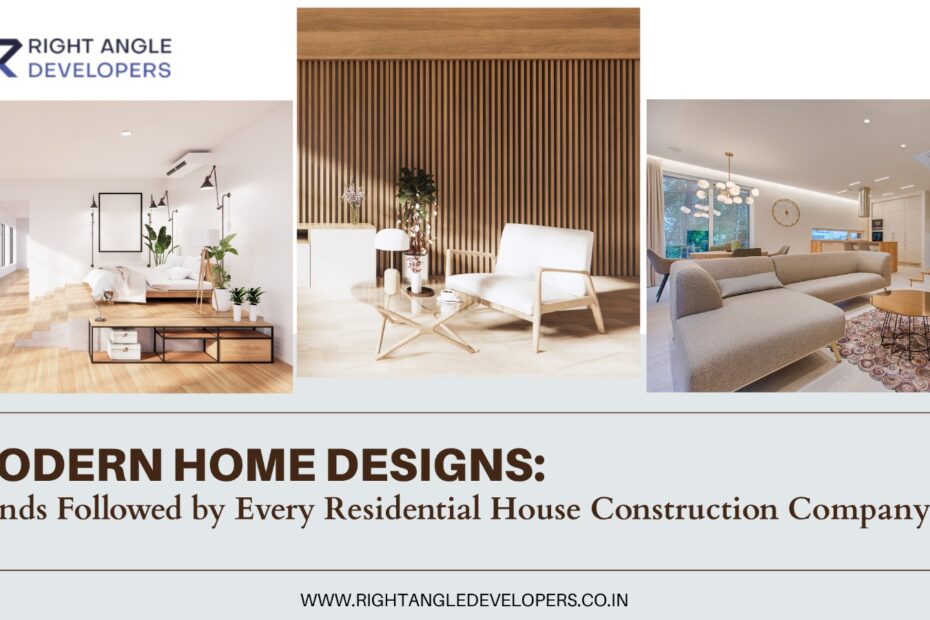
One of the key trends in modern home design is minimalism. Construction companies focus on decluttered interiors, emphasizing open floor plans that enhance the flow of space. Minimalist homes use a neutral color palette with occasional bold accents to create a calm and sophisticated ambiance. Built-in storage solutions are often integrated seamlessly to maintain the sleek, clean look. This approach not only makes homes visually appealing but also maximizes functionality, making everyday living more convenient and stress-free.
Smart Home Integration:
Technology has become an indispensable part of modern living, and residential house construction companies are quick to integrate smart home features. Automated lighting, climate control, and security systems are increasingly standard in new constructions. Homeowners can now control appliances, monitor energy consumption, and enhance security from their smartphones. Smart home integration ensures convenience, energy efficiency, and safety, reflecting the modern homeowner’s desire for a connected and tech-savvy living space.
Sustainable and Eco-Friendly Designs:
The concept of sustainability is no longer an option in modern architecture; it has become a necessity. Construction companies are adopting eco-friendly practices such as using energy-efficient appliances, solar panels, and sustainable building materials. Green roofs, rainwater harvesting systems, and advanced insulation techniques are also gaining popularity. These features not only reduce the environmental footprint but also lower utility costs for homeowners, aligning with the growing global emphasis on sustainability in residential construction.
Open Floor Plans:
The open floor plan is an important characteristic of modern architecture. Residential construction companies design interiors that seamlessly connect living, dining, and kitchen areas, promoting better interaction and a sense of spaciousness. Large windows and sliding doors enhance this openness by connecting indoor spaces with outdoor areas, bringing in natural light and fresh air. This design trend caters to contemporary lifestyles where social gatherings, family interaction, and multifunctional spaces are highly valued.
Natural Materials and Textures:
Modern home designs embrace natural materials such as wood, stone, and glass, which add warmth and texture to interiors. Construction companies are increasingly incorporating these elements to create a balance between contemporary aesthetics and a welcoming atmosphere. Wooden flooring, stone feature walls, and glass partitions not only elevate the visual appeal but also bring a touch of nature indoors, promoting a harmonious living environment.
Outdoor Living Spaces:
Another trend residential construction companies follow is the integration of outdoor living areas. Modern homes often feature patios, terraces, and landscaped gardens that extend the living space beyond the indoors. Outdoor kitchens, lounge areas, and swimming pools are becoming common, offering homeowners spaces to relax, entertain, and connect with nature. The focus on outdoor living reflects the modern desire for a lifestyle that blends comfort with recreation.
Bold Architectural Statements:
Modern home designs are no longer confined to conventional shapes. Architects and construction companies are experimenting with bold geometric forms, cantilevered structures, and asymmetrical layouts. These architectural statements not only create a striking visual impact but also allow homeowners to express their individuality and creativity through their homes. Unique facades, innovative roof designs, and textured exteriors are some ways companies make modern homes distinct and memorable.
Energy Efficiency and Smart Lighting:
Energy efficiency goes hand-in-hand with modern design. Construction companies incorporate LED lighting, energy-efficient windows, and solar-powered systems to reduce energy consumption. Additionally, layered lighting designs, including ambient, task, and accent lighting, are used to improve aesthetic appeal while being environmentally conscious. Smart lighting systems that adjust according to natural light and occupancy add another layer of convenience and efficiency to modern homes.
Conclusion:
The modern home is characterized by its simplicity, sustainability, technology, and individuality. Residential house construction companies continue to develop design strategies to meet the demands of contemporary homeowners, incorporating open layouts, smart systems, natural materials, and eco-friendly solutions. These trends enable construction companies to create not only aesthetically pleasing homes, but also functional, energy-efficient, and comfortable ones. Modern home designs will continue to reflect innovation, style, and practicality as lifestyle preferences change, ensuring each home is a perfect balance of beauty and functionality.